Early Super Release: 93,500 Medical Claims, 30% Rejected
The ATO rejected 30 percent of 93,500 early super release applications for medical treatment, which includes dental care, in 2024-25. Here is what the regulator warnings mean for a dental practice’s website and booking flow.
 Vikas Thakur Founder, Perth 9 min read Fact checked
Key takeaways
- 93,500 applications were lodged in the ATO’s medical treatment category (dental, IVF and weight-loss treatment) in 2024-25, and the ATO rejected 30 percent of them
- The ATO and Ahpra say the majority of those applications related to dental services
- $1.4 billion in super was released early on compassionate grounds in 2024-25, a significant portion of it for medical treatment
- Requests for dental compassionate release more than doubled in two years, according to the ATO and Ahpra
- Ahpra received 95 complaints about medical and dental practitioners involved in compassionate super release between 2019 and 2025
- 2 doctors have been referred to tribunals for allegedly providing false documentation, and 1 dentist has had conditions imposed on their registration
- The ATO and Ahpra name social media advertising of early super access for cosmetic or dental procedures as a red flag
The ATO rejected 30 percent of the 93,500 applications in its medical treatment category in 2024-25. That category includes dental, IVF and weight-loss treatment. The figures come from a joint ATO and Ahpra media release dated 16 October 2025, which says requests for dental services alone had more than doubled in two years.
Regulators are watching how dental practices talk about compassionate release online. The ATO and Ahpra name social media advertising of early super access for cosmetic or dental procedures as a red flag. Below are the sourced numbers and what they mean for a practice’s website, ad copy and booking flow.
What Compassionate Release of Super Actually Covers
Compassionate release of superannuation, known as CRS, is administered by the Australian Taxation Office. In the words of the Ahpra and Dental and Medical Boards statement of 30 May 2025, it is “an important safety net for access to urgent healthcare for people who cannot otherwise afford it”. The ATO’s medical treatment category includes dental, IVF and weight-loss treatment.
To be approved, the services need to be certified by two practitioners as necessary to alleviate acute or chronic pain, to treat a life-threatening illness or injury, or to alleviate acute or chronic mental illness. ATO Deputy Commissioner Emma Rosenzweig said compassionate release of super “should only be considered as a last resort, where all other options of paying for the eligible expenses have been exhausted.”
Takeaway: The ATO describes CRS as a last resort for necessary treatment, not as a standard way to finance dental work.
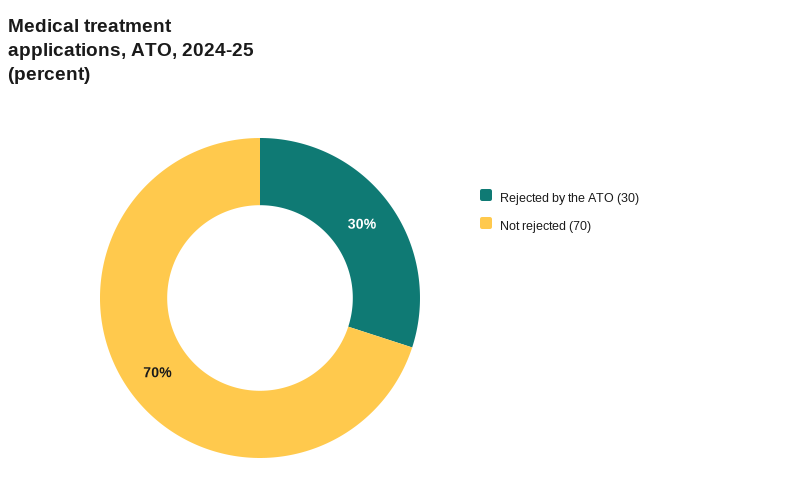
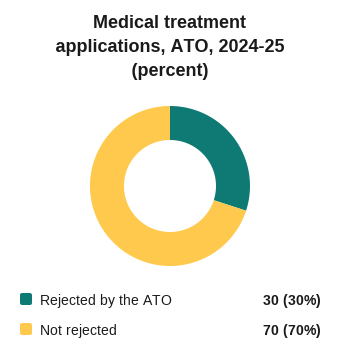
Source: ATO and Ahpra joint media release, 16 October 2025, seen 25 November 2026. The release gives 30 per cent rejected. The 70 percent is our arithmetic: 100 minus 30. Scope is the ATO’s medical treatment category (93,500 applications, Australia).
The 2024-25 Numbers Behind the Growth
The joint release says that in 2024-25 a significant portion of the $1.4 billion in super released early on compassionate grounds was for medical treatment. There were 93,500 applications in that category, the majority in relation to dental services, and 30 per cent of them were rejected.
SMS Magazine, reporting ATO data released on the same day, says applications for early release on compassionate grounds rose from 90,700 in 2023/24 to 112,400 in the past financial year. It adds that “over 83 per cent were for medical treatment or transport, which includes dental care, in vitro fertilisation, weight-loss programs and other procedures”. The increase is 21,700 applications (our arithmetic: 112,400 minus 90,700). The 93,500 figure covers dental, IVF and weight-loss treatment together, so it is not a dental-only count.
| Financial year | All compassionate release applications | Medical treatment category applications | Rejected (medical treatment) |
|---|---|---|---|
| 2023-24 | 90,700 | Not published in the sources used | Not published in the sources used |
| 2024-25 | 112,400 | 93,500 | 30 per cent |
Source: SMS Magazine, 16 October 2025 for the 90,700 and 112,400 totals, and the ATO and Ahpra joint media release, 16 October 2025 for the 93,500 and 30 per cent figures. Seen 25 November 2026.
Takeaway: Dental is the majority of the medical treatment category according to the ATO and Ahpra, and requests for dental services alone more than doubled in two years.
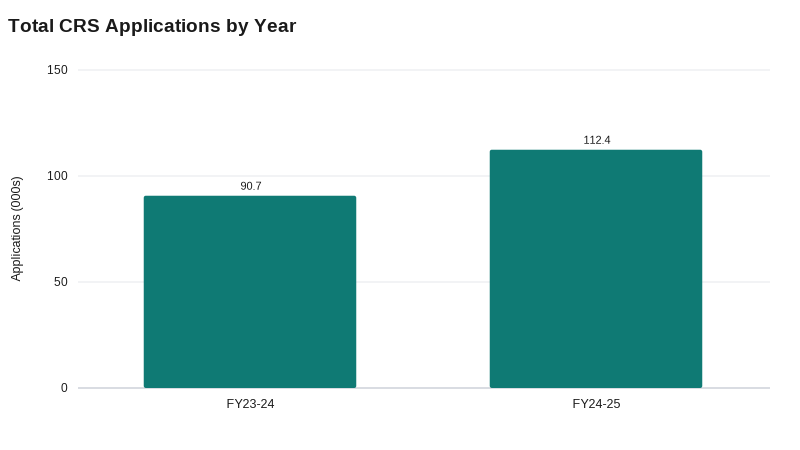
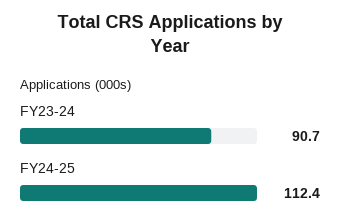
Source: SMS Magazine, 16 October 2025, reporting ATO data on all compassionate release applications in Australia, seen 25 November 2026.
Why Regulators Are Watching Dental Practices Specifically
On 30 May 2025, Ahpra and the Dental and Medical Boards of Australia issued a joint statement. It describes reports of “financial harms experienced by patients who have used significant amounts of superannuation to fund dental and medical treatments” and says the significant increase in CRS approvals for dental treatments “raises concerns that some practitioners may be placing profits over patient care”. The red flags it lists for consumers include a telehealth appointment when a physical, in-person examination is required, asking for payment upfront, a more expensive treatment recommended when cheaper, comparable treatments are available, inappropriate or aggressive sales tactics, limited information about ongoing costs, missing financial consent information, and asking to use your myGov login.
A joint ATO and Ahpra media release dated 14 April 2026 added detail. Between 2019 and 2025, Ahpra received 95 complaints about medical and dental practitioners involved in compassionate release of superannuation, most relating to treatment outcomes or payment disputes. Two doctors have been referred to tribunals for allegedly providing false documentation to the ATO, another doctor has been given a formal caution, and a dentist has had conditions imposed on their registration. The release also says: “A red flag to look out for is health practitioners or third parties who use social media to advertise early access to super for cosmetic or dental procedures.” It adds that Ahpra is trialling the use of AI to help identify problematic advertising.
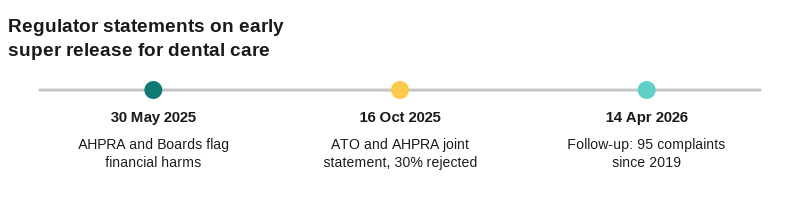
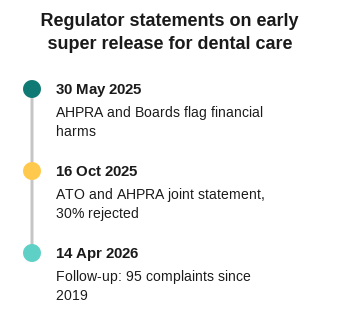
Source: Ahpra and Dental and Medical Boards joint statement, 30 May 2025, ATO and Ahpra joint media release, 16 October 2025 and ATO and Ahpra joint media release, 14 April 2026, seen 25 November 2026.
Takeaway: The complaint and tribunal numbers are small, but the April 2026 release names advertising as a warning sign and says Ahpra is trialling AI to find problematic advertising.
What This Means for a Dental Practice’s Website and Booking Flow
Read together, these statements say a good deal about what a practice’s digital presence should and should not do. Ahpra’s advertising rules for cosmetic dental marketing apply on top of this, and CRS advertising sits in the same environment. ClinicCode can check a practice’s site and ad accounts against current rules.
Three points follow from the sources above. First, the April 2026 release names social media advertising of early super access for cosmetic or dental procedures as a red flag. Second, both the May 2025 statement and the April 2026 release list payment requested upfront as a red flag. In our view, a booking flow or pricing page that asks for full upfront payment deserves a second look for that reason. Third, the April 2026 release warns people to be wary of anyone who asks for their myGov sign-in. In our view, no page or form on a practice’s site should ask for it.
None of this says CRS is illegitimate for a patient. The ATO and Ahpra call it an important safety net for necessary care. The question for a practice is how its website presents that option. See the rules specific to dental advertising at AHPRA advertising rules for cosmetic dentistry.
Takeaway: In our view, the safest position for a dental practice’s website is to treat compassionate release of super as the regulators do, as a last-resort option to mention accurately and not a marketing angle to promote.
FAQ
What is compassionate release of superannuation and does it cover dental treatment?
Compassionate release of superannuation (CRS) is administered by the Australian Taxation Office. It lets a fund member withdraw super early in very limited circumstances. Ahpra and the ATO describe the ATO’s medical treatment category as including dental, IVF and weight-loss treatment. The services need to be certified by two practitioners as necessary to alleviate acute or chronic pain, to treat a life-threatening illness or injury, or to alleviate acute or chronic mental illness.
How many people applied for early super for medical treatment in 2024-25, and how many were rejected?
There were 93,500 applications in the ATO’s medical treatment category in 2024-25. That category includes dental, IVF and weight-loss treatment. The majority were for dental services, and 30 per cent were rejected by the ATO for not meeting its requirements for compassionate release, according to a joint ATO and Ahpra media release dated 16 October 2025.
Can a dental practice advertise compassionate release of super as a payment option?
The ATO and Ahpra named health practitioners or third parties who use social media to advertise early access to super for cosmetic or dental procedures as a red flag. In our view, a practice that mentions CRS accurately as something a patient can raise with their own practitioner is in different territory to one that promotes it as a marketing hook. ClinicCode does not provide legal advice on where that line falls for a specific practice.
What has Ahpra said about complaints involving compassionate release of super?
In a joint release with the ATO dated 14 April 2026, Ahpra said it received 95 complaints between 2019 and 2025 about medical and dental practitioners involved in compassionate release of superannuation, most relating to treatment outcomes or payment disputes. Two doctors have been referred to tribunals for allegedly providing false documentation to the ATO. The release does not link its other two outcomes to false documentation. Another doctor has been given a formal caution, and a dentist has had conditions imposed on their registration.
Get Your Dental Practice’s Website Checked Against Current AHPRA Rules
ClinicCode fixes dental and cosmetic practice websites and ad accounts against the advertising rules regulators are actively enforcing, including how payment options like compassionate release of super are presented.
Sources and References
ATO and Ahpra joint media release, 16 October 2025 - the 93,500 applications, 30 per cent rejected, $1.4 billion released, and dental requests more than doubling in two years (seen 25 November 2026)
Ahpra and Dental and Medical Boards joint statement, 30 May 2025 - the consumer red flags and practitioner obligations (seen 25 November 2026)
ATO and Ahpra joint media release, 14 April 2026 - the 95 complaints, tribunal referrals and social media red flag (seen 25 November 2026)
SMS Magazine, 16 October 2025 - the 90,700 and 112,400 application totals and the 83 per cent share, reporting ATO data (seen 25 November 2026)
Related reading:
- AHPRA Advertising Rules for Cosmetic Dentistry: the full advertising rules that apply to dental practice marketing
- Dental Advertising Compliance Australia: a broader look at what dental practices can and cannot say in ads
- Cosmetic Dentistry Market Australia: market sizing for the wider cosmetic dentistry sector
For a website and ad review against the rules regulators are actively enforcing, talk to us about your practice’s marketing.
Vikas Thakur
Founder, Perth. 16 years of experience from working at TPG, iiNet and Monadelphous, now helping Australian clinics keep their websites, ads and online presence AHPRA compliant.