Australia Clear Aligner Market: Three Vendors, Three Forecasts
Three vendor reports size Australia’s clear aligner market differently, and we found no government figure. We also cover TGA data on one mail-order brand.
 Vikas Thakur Founder, Perth 9 min read Fact checked

Key takeaways
- Technavio (May 2026) forecasts Australia’s clear aligner market will grow by USD 721.5 million from 2025 to 2030, a 31.6% CAGR, and puts 2025 to 2026 growth at 28.1%
- MarkWide Research (May 2026) values the market at USD 285.4 million in 2026; Ken Research (October 2026) values it at USD 140 million in 2025
- The reports use different base years and methods, so the sizes are not directly comparable. All three are private vendors, and we found no government figure
- The Age reports that Byte, a mail-order aligner brand, was one of more than 28,000 devices the TGA treats as Class I, devices The Age says the regulator considers “so low-risk they barely warrant scrutiny”
- The Age’s analysis found 5,424 adverse event reports linked to Class I devices since 2012, including 714 injuries and 24 deaths
- Byte is the subject of 169 adverse event reports since September 2024, and was shut down globally in 2026
Australia’s clear aligner market is forecast to grow by USD 721.5 million between 2025 and 2030, a 31.6% compound annual growth rate, according to a Technavio report published in May 2026. That is the headline number. It sits next to a less flattering one. An investigation by The Age found that Byte, a mail-order aligner brand, was one of more than 28,000 devices the TGA treats as Class I, devices The Age says the regulator considers “so low-risk they barely warrant scrutiny”, and that Class I devices have been linked to 5,424 adverse event reports since 2012, including 714 injuries and 24 deaths. This guide sets the Technavio forecast beside two other named reports, walks through the investigation’s figures, and closes on what it means for a practice’s website and booking flow.
Technavio Forecasts USD 721.5 Million of Growth From 2025 to 2030
Technavio’s Australia Clear Aligners Market Growth Analysis, Size and Forecast 2026-2030, published May 2026, states that the market is “valued to increase by USD 721.5 million, at a CAGR of 31.6% from 2025 to 2030”. Its summary also lists 28.1% year-over-year growth for 2025 to 2026 and USD 141.3 million for the offline distribution segment in 2024.
| Metric | Figure | Period |
|---|---|---|
| Market growth | USD 721.5 million | 2025 to 2030 |
| CAGR | 31.6% | 2025 to 2030 |
| Year-over-year growth | 28.1% | 2025 to 2026 |
| Offline distribution segment | USD 141.3 million | 2024 |
Source: Technavio, Australia Clear Aligners Market Growth Analysis, Size and Forecast 2026-2030, figures in US dollars (growth in percent), seen 24 November 2026.
The figures are in US dollars, not Australian dollars. Research and Markets lists the same report and states the same USD 721.5 million growth and 31.6% CAGR.
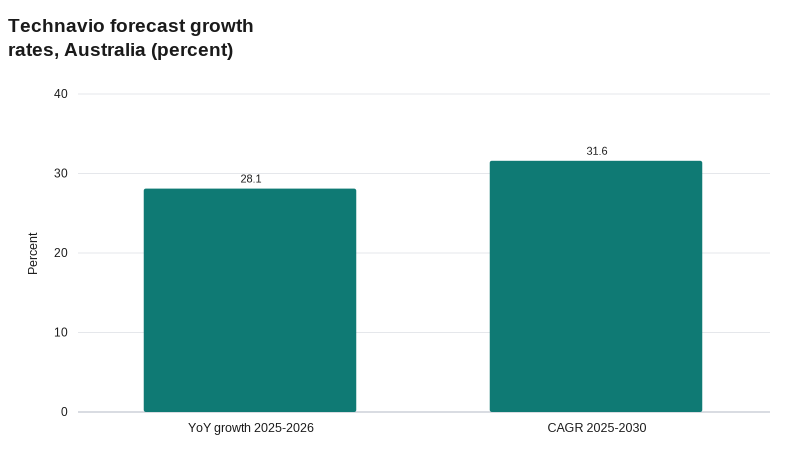
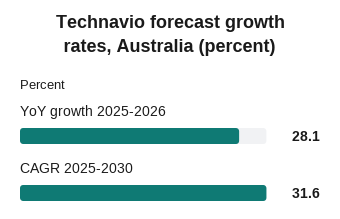
Source: Technavio, Australia Clear Aligners Market, forecast growth rates in percent, seen 24 November 2026.
Takeaway: These are one vendor’s forecast figures, in US dollars, and Technavio’s report is paid, so we have only read its public summary.
Three Market Reports Give Three Different Sizes
MarkWide Research (published May 2026) states that the Australia clear aligner market is valued at USD 285.4 million in 2026 and projected to reach USD 1,227.78 million by 2035 at a 17.60% CAGR. Its report details list a 2026-2036 forecast period, so the end year of that CAGR is not consistent on the page.
Ken Research (October 2026) states that the market is worth USD 140 million in 2025, growing at a 12.00% CAGR (2025-2032) to reach USD 310 million by 2032.
| Publisher | Base figure | Forecast | CAGR | Published |
|---|---|---|---|---|
| Technavio | Not stated in the public summary | Growth of USD 721.5 million, 2025 to 2030 | 31.6% (2025 to 2030) | May 2026 |
| MarkWide Research | USD 285.4 million (2026) | USD 1,227.78 million by 2035 | 17.60% | May 2026 |
| Ken Research | USD 140 million (2025) | USD 310 million by 2032 | 12.00% (2025 to 2032) | October 2026 |
Source: Technavio, MarkWide Research and Ken Research report pages, US dollars, seen 24 November 2026.
The three reports do not agree on size or growth rate. We found no government body publishing an Australia-specific clear aligner market figure, so every dollar figure here comes from a private vendor. A fourth report, from Grand View Research, turned up in the same search, but we could not access its numbers, so we left it out.
Takeaway: Treat any single market size you read for Australian clear aligners as one vendor’s model. All three reports forecast growth. The size and the growth rate differ.
The Age Reports Byte Was One of 28,000 Class I Devices
The Age’s investigation, Broken teeth, locked jaws: Clear aligner company made money while nobody was watching (dated 1 August 2026 on the page), reports that Byte “is one of more than 28,000 medical devices the TGA considers so low-risk they barely warrant scrutiny”. It says manufacturers must hold evidence the devices are safe and effective, but the regulator does not check that data before approval.
The same article states: “Since 2012, Class I devices have been linked to 5424 adverse event reports, including 714 injuries and 24 deaths, according to an AI-assisted analysis of the TGA’s injury database.” The TGA’s position, quoted in the piece, is that an adverse event report “does not mean the device caused the event” and cannot be used in isolation to assess a device’s safety.
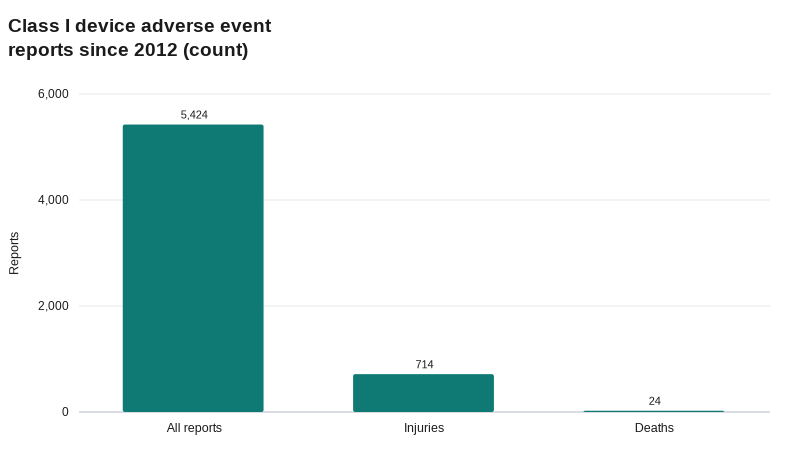
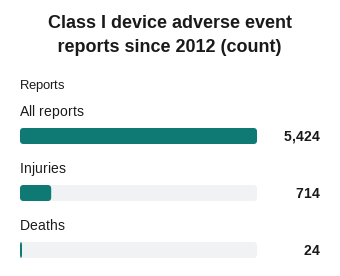
Source: The Age, Broken teeth, locked jaws, counts of TGA adverse event reports for all Class I devices (not only aligners), seen 24 November 2026. Injuries and deaths are described as included in the total.
Takeaway: These counts cover every Class I device, not clear aligners alone, and a report is not proof of cause.
What The Age Reports About Byte
According to the same article, Byte is the subject of 169 adverse event reports since September 2024, “making it one of the most-complained-about Class I devices”. Its parent company, Dentsply Sirona, told the reporters the additional complaints “followed a review of historical complaints as part of Byte’s reporting processes”. The TGA declined to comment on whether Byte breached its legal requirement to submit adverse event reports within 30 days, and would not say if it had taken action against Byte. The article states Byte was shut down globally in 2026.
The article describes Byte’s model as a mail-order kit: patients took an impression of their teeth at home and mailed it back, and the trays were posted to them. None of the five customers the reporters spoke to ever had contact with a dentist. Dentsply Sirona told the reporters each treatment plan was approved by a dentist.
Takeaway: The Byte count is from a single brand’s reports since September 2024, and the 5,424 total spans all Class I devices since 2012, so the two are not a like-for-like rate.
What This Means for a Dental Practice’s Website and Booking Flow
None of the numbers above are a reason to avoid clear aligners as a treatment category. In our view, they are a reason to think about what a practice’s website says about the difference between supervised treatment and a mail-order kit.
In our view, pricing and process detail (what a consultation involves, how many reviews are included, what treatment costs) gives a patient something to compare a mail-order brand’s marketing against. It is a different content category from a testimonial or a before/after photo, so check it against the advertising rules. The booking flow can make an in-person consultation the obvious next step rather than an afterthought. See our Invisalign vs braces cost breakdown and wider cosmetic dentistry market data for context.
None of that replaces getting the advertising itself checked. Our Ahpra advertising rules for cosmetic dentistry breakdown covers what a practice can and can’t publish. If your site hasn’t been checked recently, get in touch with ClinicCode to find out what needs to change.
Takeaway: In our view, the practices that do well here answer the questions a mail-order brand’s marketing avoids: who is supervising this, what does it cost, and what happens if something goes wrong.
The Source Pages
Screenshots of the pages cited in this post, taken on 24 November 2026 and framed on the passage each one supports.
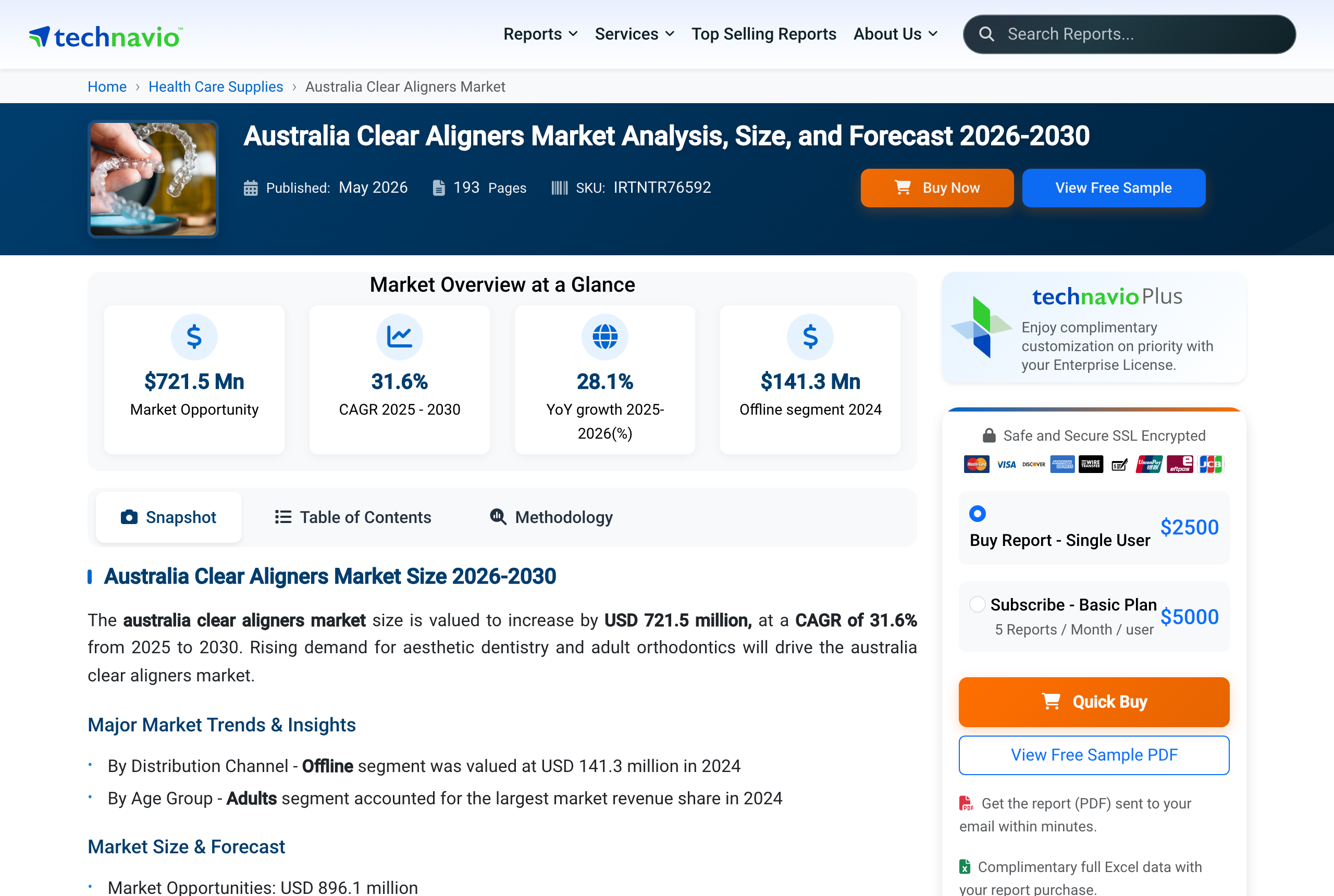
Source: Technavio, Australia Clear Aligners Market, screenshot taken 24 November 2026.
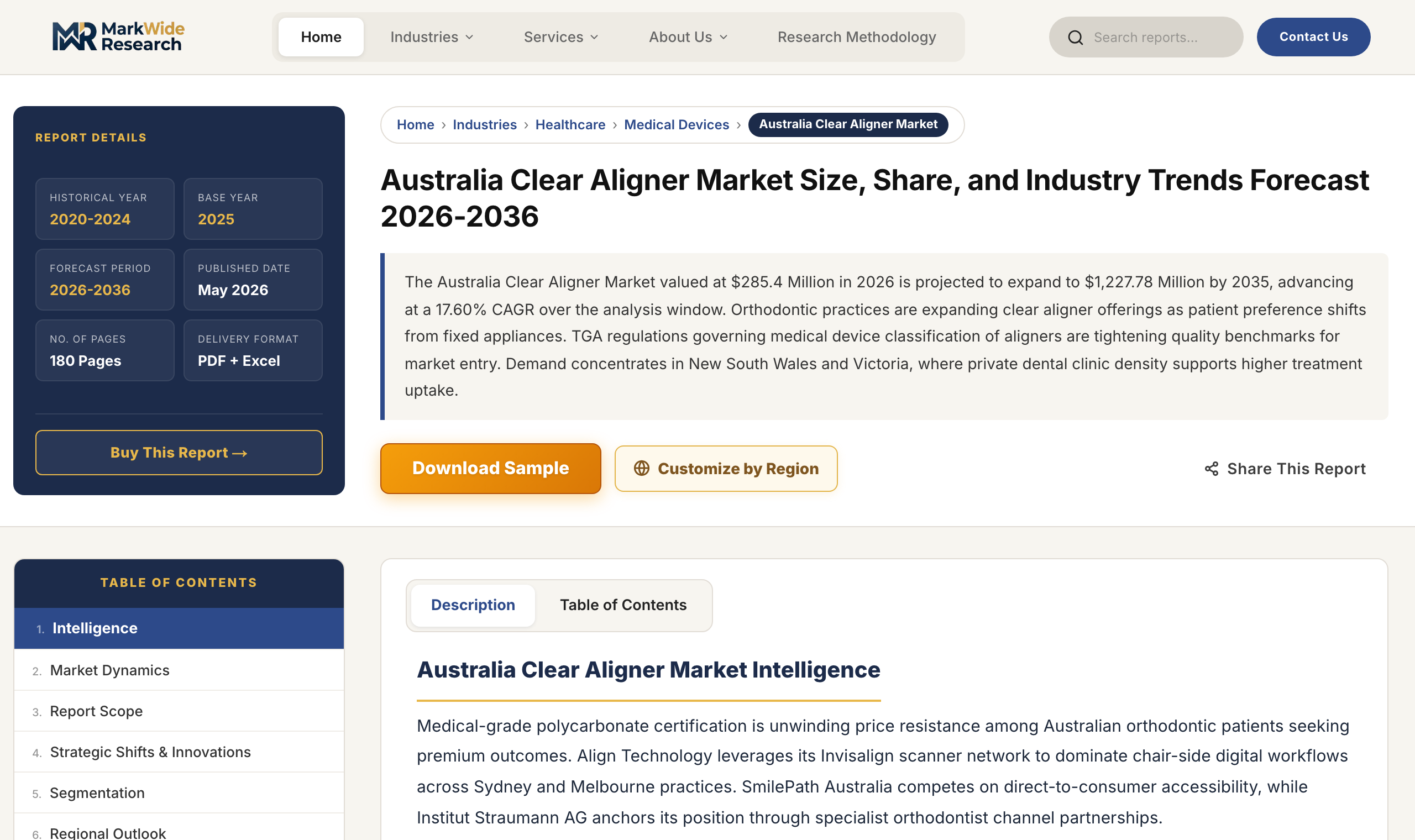
Source: MarkWide Research, Australia Clear Aligner Market, screenshot taken 24 November 2026.
FAQ
How big is Australia’s clear aligner market?
We found no government-published figure. Three private vendors give three answers. Technavio (May 2026) forecasts the market will grow by USD 721.5 million from 2025 to 2030, a 31.6% CAGR. MarkWide Research (May 2026) values it at USD 285.4 million in 2026. Ken Research (October 2026) values it at USD 140 million in 2025. The reports use different base years and methods, so the figures are not directly comparable.
Are mail-order clear aligners regulated differently from ones fitted by a dentist?
We could not confirm that from the sources used here. The Age reports that Byte, a mail-order aligner brand, was one of more than 28,000 devices the TGA treats as Class I, devices The Age says the regulator considers “so low-risk they barely warrant scrutiny”, and that none of the five customers the reporters spoke to ever had contact with a dentist.
How many adverse events have been reported for Class I devices in Australia?
The Age’s analysis of the TGA’s injury database found 5,424 adverse event reports linked to Class I devices since 2012, including 714 injuries and 24 deaths. The TGA notes that a report does not mean the device caused the event.
What does this market data mean for a dental practice’s website?
In our view, a website that shows what supervised treatment involves, how it differs from a mail-order kit and what it costs gives patients something to compare against a mail-order brand’s marketing. That is a content and booking-flow decision, alongside getting the practice’s advertising checked against current Ahpra rules.
Get Your Dental Practice’s Website and Ads Checked
ClinicCode builds Ahpra-compliant websites for Australian dental practices and audits existing sites and ad accounts against current advertising rules. If you want to know where your clear aligner marketing stands, talk to us.
Talk to us about your practice’s marketing
Sources and References
Technavio - Australia Clear Aligners Market Growth Analysis, Size and Forecast 2026-2030 (May 2026)
Research and Markets - listing of the same report with the USD 721.5 million and 31.6% CAGR figures
MarkWide Research - Australia Clear Aligner Market (May 2026)
Ken Research - Australia Clear Aligners Market (October 2026)
The Age - Broken teeth, locked jaws: Clear aligner company made money while nobody was watching
Related reading:
- Invisalign vs Braces Cost Australia: clear aligner pricing compared with braces
- Cosmetic Dentistry Market Australia: the wider cosmetic dentistry category this sits inside
- Ahpra Advertising Rules for Cosmetic Dentistry: what a dental practice can and can’t publish about a treatment
Vikas Thakur
Founder, Perth. 16 years of experience from working at TPG, iiNet and Monadelphous, now helping Australian clinics keep their websites, ads and online presence AHPRA compliant.