Veneers Are Higher Risk: 4 Website Changes to Make
Ahpra’s cosmetic procedure advertising guidelines, issued on 2 September 2025, name dental veneers as an example of a higher risk procedure. This post sets out four elements of a veneers page to check against them.
 Vikas Thakur Founder, Perth 12 min read Fact checked
Key takeaways
- Ahpra’s cosmetic procedure advertising guidelines, issued on 2 September 2025, list dental veneers as an example of a higher risk cosmetic procedure
- Four elements on a veneers page need checking: before and after images, testimonials, trivialising content, and practitioner identification
- Ahpra says advertising of higher risk cosmetic procedures must not use testimonials
- Before and after images must be genuine, unedited, free of under-18s, backed by separate consent, and carry a prominent warning that the outcome applies only to that patient
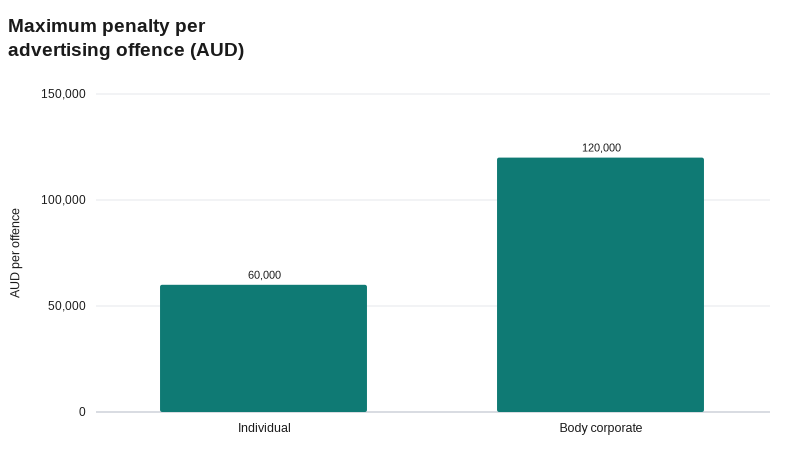
- The maximum penalty for an advertising offence is $60,000 per offence for an individual and $120,000 per offence for a body corporate
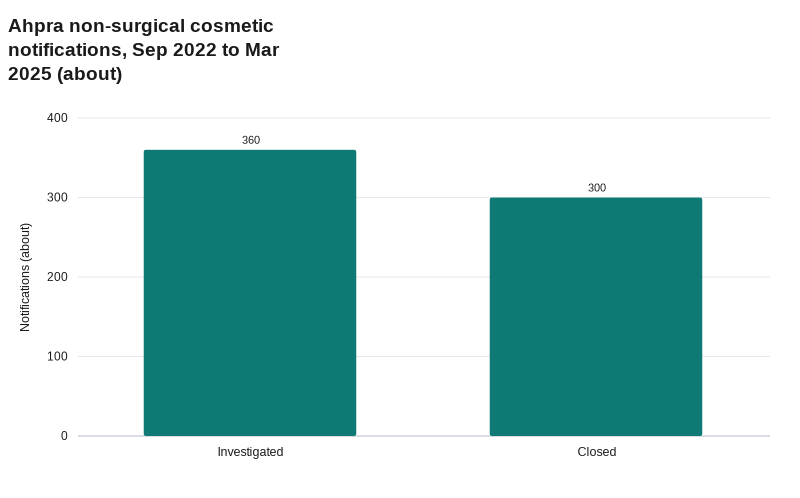
- Ahpra investigated about 360 non-surgical cosmetic procedure notifications between September 2022 and March 2025, with about 300 closed
Ahpra’s cosmetic procedure advertising guidelines were issued on 2 September 2025, and Ahpra’s news release of the same day says they are in effect from that date. The guidelines list dental veneers as an example of a higher risk cosmetic procedure, in the same list as cosmetic injectables and thread lifts.
A veneers page published before that date was written before the guidelines existed. This post sets out what the guidelines say about the elements of that page, and the four things to check before the next patient finds it through a search or an ad.
What Ahpra’s Guidelines Say
The document is Ahpra’s Advertising higher risk non-surgical cosmetic procedures page, read alongside Ahpra’s resources page for advertising higher risk non-surgical cosmetic procedures. Both say: “Examples of higher risk cosmetic procedures include but are not limited to dental veneers, the administration of cosmetic injectables such as botulinum toxin and dermal fillers, (also known as soft tissue fillers), injection lipolysis, thread lifts, sclerotherapy and microsclerotherapy, procedures involving platelet rich plasma, biotherapy or injections of any products derived from the patient’s blood and hair transplants.” Because the list is “not limited to” those procedures, it is a set of examples, not a complete list.
The page’s footnote 1 lists the Dental Board of Australia among the National Boards it applies to. Ahpra’s news release of 2 September 2025 says the guidelines “are in effect from today”.
Four provisions in the guidelines reach a veneers page directly:
- Testimonials. The guidelines say: “Advertising of higher risk cosmetic procedures must not use testimonials due to their potential to create unrealistic expectations of beneficial treatment.” The same news release says the guidelines strengthen the ban on testimonials from social media influencers.
- Before and after images. Both images must be of actual patients who had the procedure from that practitioner. They must not be edited or enhanced, for example through “filters, retouching, grey-scaling and similar techniques”. Images of people under 18 “must not be used”. The advertising must carry “a prominent warning that the outcomes shown are only relevant for this patient and do not necessarily reflect the results other patients may experience”.
- Trivialising content. The guidelines say imagery must be used “for the purposes of information and/or education”. They give examples of features more likely to trivialise a procedure, including music, dancing, singing or comedic comments, and say good practice includes not using terms such as ‘doll-maker’, ‘magic hands’, ‘sculptor’, ‘artist’, ‘master’ or ‘world’s best’.
- Practitioner identification. If advertising references a specific individual as performing higher risk cosmetic procedures, it “must include information about the health practitioner’s registration details, including their registration number”.
Source: Ahpra, Advertising and the law, seen 25 November 2026.
Ahpra’s Advertising and the law page says a court may order an advertiser to pay a penalty for each offence, and gives those maxima as $60,000 per offence for an individual and $120,000 per offence for a body corporate. Ahpra’s advertising guidelines page still carries footnote 3, which gives Western Australia maxima of $30,000 for an individual and $60,000 for a body corporate against the unlawful use of a protected title offence, and the page does not reconcile it with its statement that the higher penalties apply in all jurisdictions, including Western Australia, as of July 2024.
Takeaway: The guidelines name veneers as an example in the same list as injectables, and the four provisions above land on the elements most veneers pages carry.
The Four Things to Change on the Page
1. Before and after galleries. Keep a gallery only if every image meets the guideline conditions above: a genuine patient of that practitioner, no editing or filters, no one under 18, the outcome warning shown, and the time since the procedure stated on each “after” image. The guidelines also say the practice must hold fully informed consent, separate from consent to the procedure, to use the patient’s image in advertising. Our view: if a practice cannot show that consent for an image currently live, take that image down before checking the rest of this list. The guidelines also say the most prominent or first image seen should be the “before” image or a combined image, because an “after” image shown first “may create unrealistic expectations”.
2. Testimonials and quoted reviews. Remove any quoted, embedded or paraphrased comment about how a patient’s veneers turned out or how skilled the dentist was. Ahpra’s testimonial guidance says: “Comments about clinical aspects of a regulated health service are considered a testimonial and cannot be used in advertising.” It defines the outcome as “the specific outcome or the skills or experience of the practitioner either directly or via comparison”. The same page says comments “about customer service or communication style that do not include a reference to clinical aspects are not considered testimonials”. Check what a review widget on the page is pulling in before assuming it is safe, because a widget can show clinical comments.
3. Trivialising content and unrealistic expectations. Read the page for the terms and imagery the guidelines name, and for language that frames veneers as instant, guaranteed or effortless. Section 133 of the National Law, as set out on Ahpra’s Advertising and the law page, bars advertising that “creates an unreasonable expectation of beneficial treatment”. Section 133 also bars an advertised “gift, discount or other inducement” unless the advertisement states the terms and conditions of the offer, so a veneers discount banner needs its terms on the page.
4. Practitioner identification. Name the dentist or dentists who perform the procedure and show each one’s registration details, including the registration number. Ahpra’s example format on the guidelines page is “Dr G (DEN000456789) Registered dentist, general registration”. Our view: this also gives a patient a specific credential to check, which an unattributed “our team” line does not.
Source: Ahpra, Booming billion-dollar cosmetic industry on notice with new cosmetic procedures guidelines, 3 June 2025, seen 25 November 2026. Ahpra gives both figures as “about”.
Takeaway: Three of the four fixes are subtraction (remove or correct the gallery, the reviews, the trivialising content) and one is addition (name and register the practitioner). Our view: none of them changes how your booking system takes a booking.
Veneers Page Element Checklist
| Page element | What the guidelines say | What to check on the page |
|---|---|---|
| Before and after gallery | Genuine, unedited images of that practitioner’s patients, none under 18, outcome warning, separate consent | Consent on file, no filters, warning shown, time since procedure stated |
| Reviews and testimonials | Testimonials must not be used; comments about customer service or communication style are not testimonials | No quoted comment about outcome, skill or experience |
| Treatment description copy | Must not create an unreasonable expectation of beneficial treatment | No instant, guaranteed or effortless framing |
| Discount and offer display | An advertised discount or inducement must state its terms and conditions | Terms and conditions shown next to the offer |
| Practitioner information | Registration details, including the registration number, where an individual is referenced | Named dentist with registration number |
Source: Ahpra’s cosmetic procedure advertising guidelines and Advertising and the law pages, seen 25 November 2026.
Run your own veneers page against each row before touching anything else on the site.
What to Check on Your Own Site
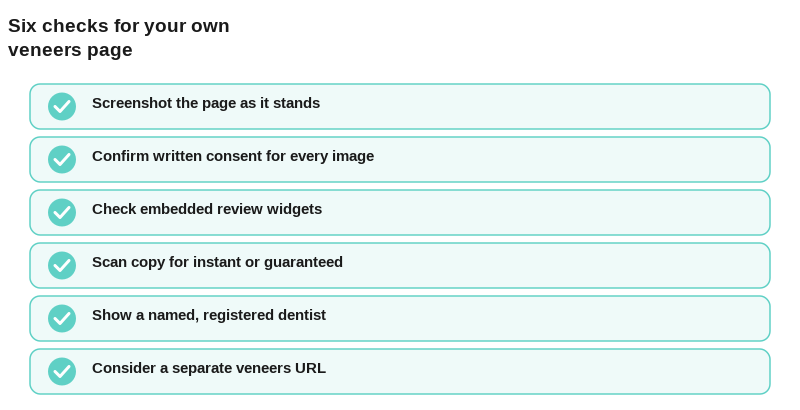
- Open your veneers page (or the section of a shared cosmetic page covering veneers) and screenshot it as it stands today, before you change anything.
- List every image in any gallery and confirm you hold the separate consent for each one, dated and on file.
- Search the page’s HTML for embedded review widgets and check exactly what content they pull, not just what displays by default.
- Read the copy for “instant”, “guaranteed” or “flawless” language.
- Confirm at least one named dentist with a registration number appears on or near the page.
- If veneers shares a page with injectables or general cosmetic dentistry, weigh splitting it into its own URL. This is our suggestion, not an Ahpra requirement.
Get in touch and ClinicCode will run this checklist against your veneers page and report back with specific findings.
What the Published Numbers Show
Ahpra’s 3 June 2025 release says that between September 2022 and March 2025 it “investigated about 360 notifications related to non-surgical cosmetic procedures with about 300 of these now closed”. The release does not mention veneers, so those figures say nothing about veneers pages in particular. We did not find an Ahpra figure for veneers notifications.
Beyond the penalty under section 133, Ahpra’s Advertising and the law page says other consequences may apply when a registered health practitioner breaches the advertising requirements, and that a National Board may decide these breaches raise concern about the practitioner’s conduct and take action which may include placing conditions on a health practitioner’s registration.
Takeaway: Ahpra publishes notification totals for non-surgical cosmetic procedures as a group, so there is no veneers-specific count to point to.
Where This Gets Hard
The guidelines list veneers with injectables and thread lifts, and say the list is examples, not a complete set. Our view: a dentist who sees veneers as closer to restorative work than to injectables still has a page that is judged against rules written for the whole group of procedures.
The testimonial ban also removes a common way for a practice to show it has satisfied patients. What remains on the page is the compliant content: procedure information, practitioner credentials and properly consented, warned images.
Whether a specific page crosses the line is a question for your professional indemnity insurer, your defence organisation or your lawyer, not for this post.
Status
Issued 2 September 2025 and in effect from that date, per the Ahpra guidelines page (“Date of issue: 2 September 2025”) and the Ahpra news release, as checked on 25 November 2026. The guidelines also say advertising of higher risk cosmetic procedures “must not be targeted or directed at people under the age of 18 years”. Our age-gating guide for procedure pages covers that separately.
Frequently Asked Questions
Are veneers actually classed as a higher risk procedure by Ahpra?
Ahpra’s cosmetic procedure advertising guidelines, issued on 2 September 2025, list dental veneers as an example of a higher risk cosmetic procedure, alongside cosmetic injectables, dermal fillers, injection lipolysis, thread lifts, sclerotherapy, procedures using platelet rich plasma and hair transplants. The list is introduced as examples that “include but are not limited to” those procedures.
Does this mean I have to remove before and after photos from my veneers page?
Not automatically, but the guidelines set conditions. Ahpra says both images must be genuine, of actual patients who had the procedure from that practitioner, and not edited or enhanced. Images of people under 18 must not be used, the practice needs separate informed consent to use each patient’s image in advertising, and the advertising must carry a prominent warning that the outcome applies only to that patient. The guidelines also say the “after” image should state how long after the procedure it was taken.
Can I still use patient reviews about how happy someone was with their veneers?
Ahpra says advertising of higher risk cosmetic procedures must not use testimonials. Its testimonial guidance says a comment about a clinical aspect, such as the outcome or the practitioner’s skills or experience, is a testimonial and cannot be used in advertising, while a comment about customer service or communication style that does not refer to clinical aspects is not a testimonial.
What is the actual penalty if a veneers page breaches this guideline?
Ahpra’s Advertising and the law page says a court may order an advertiser to pay a penalty for each offence, up to $60,000 per offence for an individual and $120,000 per offence for a body corporate. Ahpra’s advertising guidelines page still carries footnote 3, which gives Western Australia maxima of $30,000 for an individual and $60,000 for a body corporate against the unlawful use of a protected title offence, and the page does not reconcile it with its statement that the higher penalties apply in all jurisdictions, including Western Australia, as of July 2024.
Does Ahpra publish how many complaints are about veneers?
Not that we found. Ahpra’s 3 June 2025 release says it investigated about 360 notifications about non-surgical cosmetic procedures between September 2022 and March 2025, with about 300 of them closed, and the release does not mention veneers.
Get Your Veneers Page Checked
ClinicCode fixes cosmetic dentistry websites against Ahpra’s current advertising guidelines.
Sources and References
- Ahpra - Advertising higher risk non-surgical cosmetic procedures. Date of issue 2 September 2025. Checked 25 November 2026.
- Ahpra - Resources for advertising higher risk non-surgical cosmetic procedures, which repeats the list of examples including dental veneers. Checked 25 November 2026.
- Ahpra - New guidelines for registered health practitioners performing and advertising non-surgical cosmetic procedures, 2 September 2025. Checked 25 November 2026.
- Ahpra - Booming billion-dollar cosmetic industry on notice with new cosmetic procedures guidelines, 3 June 2025, notification figures September 2022 to March 2025. Checked 25 November 2026.
- Ahpra - Advertising and the law: section 133 grounds and penalties. Checked 25 November 2026.
- Ahpra - Testimonials: Understand the requirements. Checked 25 November 2026.
- Ahpra - Advertising guidelines, including footnote 3 on Western Australian penalties. Checked 25 November 2026.
Related reading:
- AHPRA Advertising Rules for Cosmetic Dentistry: the general dental advertising rules this post’s veneers-page checklist sits inside
- AHPRA’s Adult Content Rule: What It Means for Your Build: the separate ad-account obligation for higher risk procedures advertised on social media
- Hismile Fined for Staff Posing as Shoppers: the Australian Consumer Law floor sitting underneath these Ahpra-specific rules
- Clinic Website Design: compliant website builds for Ahpra-regulated practices
Vikas Thakur
Founder, Perth. 16 years of experience from working at TPG, iiNet and Monadelphous, now helping Australian clinics keep their websites, ads and online presence AHPRA compliant.